My Blog List

Saturday, March 26, 2011

Musings on Travel - 1

A bridge across the Ganges in Rishikesh

Hazratbal shrine in Srinagar
For the longest time in my late teens, I quite abhorred the idea of travel. My idea of travelling then, of what little I was forced into, was to go to a place, check into a hotel and flip furiously through what movies were there in the hotel collection and spend hours patiently  running through them. A quick dash for food around the corner and a stroll around a couple of blocks surrounding the office/hotel/ neighbourhood and I was a satisfied soul. My first brush with the idea of travel was reading some glossy magazine articles of some lucky sod scampering around some godsmackingingly beautiful landscapes, gulping down some delicious food and coolly mixing with the locals, all at the same time, with not a hair out of place. Even after completing a management degree, I hadn't done much travelling, apart from the mandatory-coming-of-age-Goa trip. Amazing time, that though! But, by then I had just met my intrepid traveler wife who was traipsing up and down the country thanks to the nomadic  
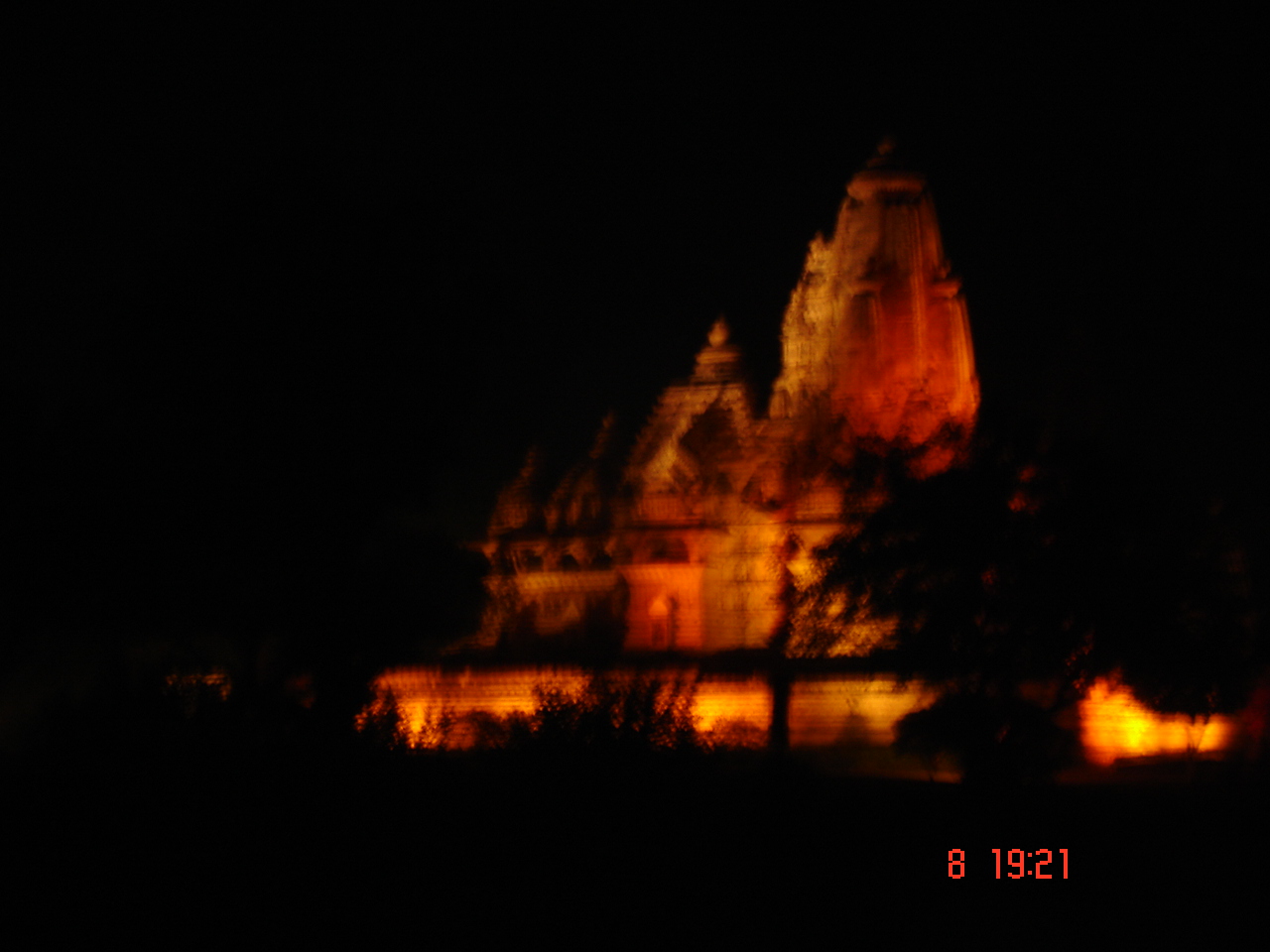
Temples of Khajuraho in the night
nature of her work. Because of her, I began finding myself in situations which I did not know existed before -- hustling with ticket checkers for a berth on an overnight train, finding out for the difference between a RAC, a WC, 3 Tier, etc etc. The upshot. -- Bharuch, Bangalore, Yercaud, Ahmedabad, Udaipur. I slowly began appreciating the small things in travel rather than focussing on getting from Point x to y. A beautiful sunset, a great meal on a highway, a cheap but memorable souvenir, a lovely photograph, a place which the travel guides have missed and, of course, meeting different kinds of people. Travel made me grow up like nothing else did. Despite my growing taste for travel, I never got and still haven't gotten into the various aspects of planning in terms of hotels, trains and cheap flights and leave it to the other half who has a knack for these things.

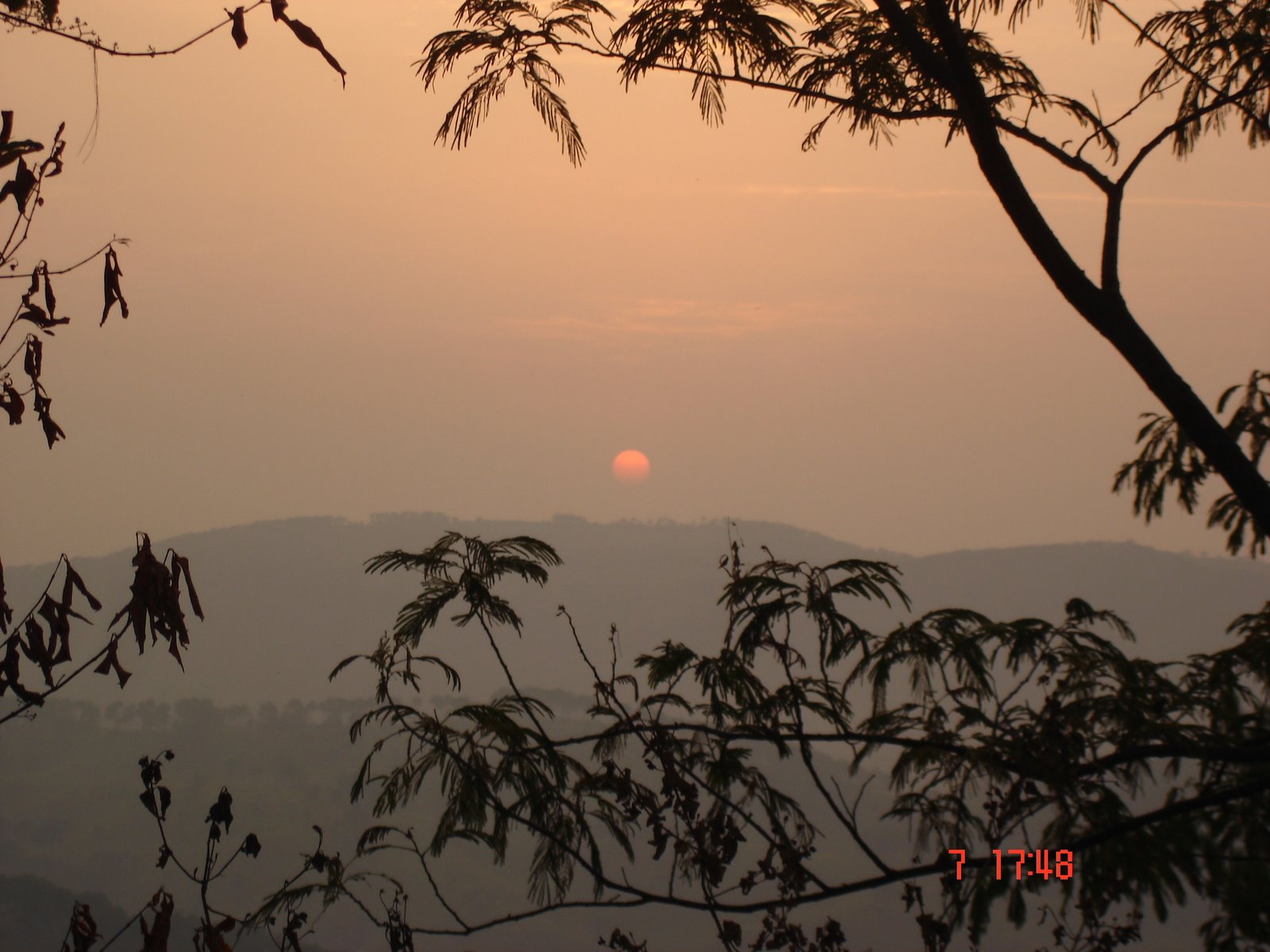
Sunset in Shillong
Well, that's one thing, I absorbed from an MBA degree - areas of specialisation. Because of this, I also developed a taste for travel books and history and I began avidly reading up on places where we visited and started maintaining a blog. We stopped doing quick short visits to a place and began spending more time in each place we visited to absorb the flavour. We started getting off the touristy paths and started staying in homestays. 

A rock temple in Badami

We did trips with friends who loved to travel like us. And in a brief period of a little over two years we saw a sizeable chunk of this beautiful country. Kerala, Madhya Pradesh, Maharashtra, Goa, Jammu and Kashmir, Kolkata, Meghalaya, Haridwar, Rishikesh, Varanasi, Allahabad, Karnataka and Delhi. And then........

Saturday, March 05, 2011

Gong Xi Fa Cai in Guilin - Feb 2011

Guilin - A mini Europe in China

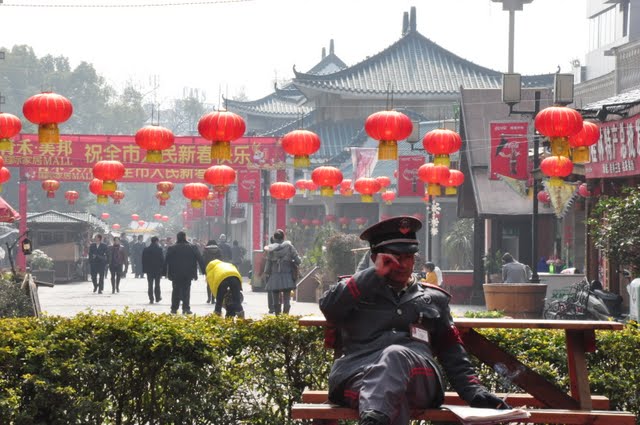
We arrived in Shenzen at the crack of dawn, on the first day of the Spring Festival. Our worries that we would be swamped by hordes of holidaying Chinese, thankfully, was unfounded as the lines at the immigration and at the airport were thin. After taking a short one hour flight from smoggy Shenzen, we arrived in Guilin where the air was clean, plenty of greenery and sparsely populated roads. A picturesque town, in the Guanxi province of China, the town has some very beautiful country parks and caves with some extraordinary limestone rock formations. We stayed at the Eva Inn hotel http://www.evainnguilin.com/ which is highly recommended and faces the beautiful Li River. Insist on a river facing room and you will not be disappointed. Facilities are decent and the breakfast quite filling. Behind the hotel is a cobble stoned road teeming with Chinese holidayers and lined with gaily decorated cafes teeming with red lanterns.   
Guilin is a favourite holidaying destination for the Chinese with the mandatory sprinkling of backpacking foreigners. Being a favourite destination also means the place has become a touristy and expensive evident from the steep entry fees at the country parks and traveling
costs. Still, the food is to die for.
A few rounds of the local beer, some mouthwatering dumplings and lovely beef noodles drained our exhaustion away. Being the Lunar New Year, the streets were lined with stalls selling all kinds of trinkets and some delicious food stalls. We had an Indian dosa lookalike which was quite tasty. Come evening, fireworks lit the sky with crackers bursting till the wee hours of the morning accompanied with the acrid smell of sulphur and gunpowder. Made us feel right at home during Diwali! The city is quite walking and bicycle friendly and you could spend the entire day tramping up and down some of the numerous limestone cliffs that dot the city. The country parks are quite well maintained with numerous lakes, pagodas, statues, museums, trails. The roads very wide and well kept and we were amazed at the quality of infrastructure in these places which could give some of the larger cities in India a run for its money Food to be tried: the Li River beer fish which is highly recommended and is extremely tasty. Tips: Carry enough cash as credit cards are very sparsely used, though that is changing slowly.

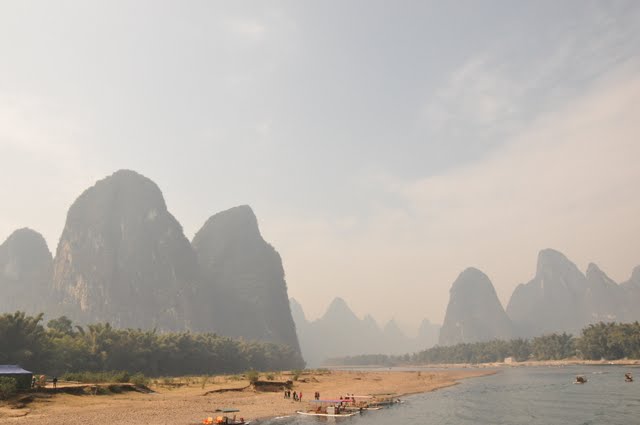
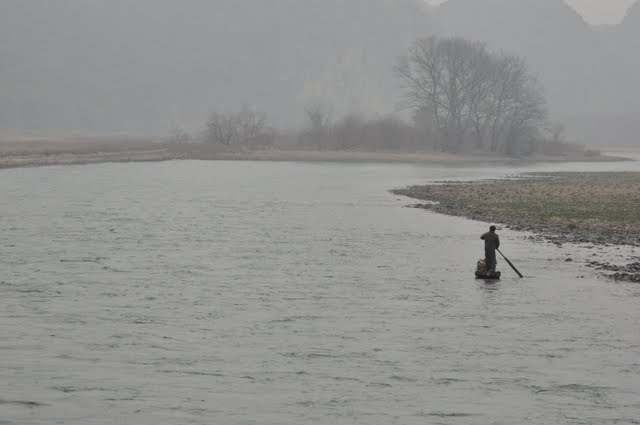
The voyage down Li River.

The boat ride from Guilin to Yangzhou along the Li River is one of the highlights of the trip. A road journey of around an hour takes about four hours on this meandering river stretch and is a favourite tourist attraction.  We took the morning ferry which started at 9:30 in the morning (hotel pickups start around 8am) and reached Yangzhou at around 1:30. Apart from the minor glitches such as hustling
for a window seat at the ferry, the ride down the river is memorable. Guilin was just recovering from a cold wave when we visited and the weather was cold in the mornings but the afternoons are gorgeous. Lunch is served on the boat with the
option of ordering some river fish, crabs and snail (expensive though!). There are two kinds of boats that ply on this river. One is the bamboo rafts (literally!) with some deck chairs lashed on to a bamboo raft and an outboard motor. This can be quite freezing and uncomfortable too. The other are the large
boats with enclosed cabins and these are recommended. Insist on the English version (which in plain speak would translate as the slightly more luxurious one). There is a viewing deck from the top and you could see the river bed for miles around. Tariffs are open to bargaining and we were able to knock back ours by 15-20 percent. to about 360 yuan per person. The cliffs bordering the river are big tourist attractions and all are imaginatively labeled such as nine horse hill and the man on a donkey hill. As a local saying goes “ 30 percent of what you see is through your eyes, 65 percent is through your heart and the rest 5 percent is what your travel guide tells you.” Having said that, the cruise offers some of the most gorgeous scenery. One of them has even made it to the back of the 20 yuan note!

Saturday, January 15, 2011

Bombay Meri Jaan

I walked out of a movie hall in Hong Kong recently after watching Dhobi Ghat with mixed feelings. While the movie was passable, it had some breathtaking shots of the city which I call my home – Bombay. Despite being a Bengali, I have always considered myself a true blue Bombayyite or Mumbaikar if you so wish! I have grown up, gotten my education, met my beautiful wife, made some amazing friends and got my first, second and third job -- all here. Despite the numerous cribs and rants from outsiders of how difficult the city it, Bombay has a way of luring you and never letting you go! How can one forget the numerous walks down Marine drive on a rainy afternoon, Worli Seaface and Bandra bandstand! Masjid Bunder, the numerous khau gallis near the college and offices!  Colaba Causeway and Britannia!

The boundless energy and the local trains! Iranis and Mani’s! On a recent trip back home after more than a year, I felt like I had been away for ages and yet it felt just like yesterday when I stepped into my new job here. I couldn’t get enough of the city in the short two weeks I was there and the movie made me painfully realize how much I missed it!


  But my many years in Bombay have also made me painfully realize the short comings of this city which comes in the way of making it a truly world class city. At a photo exhibition in Hong Kong recently which depicted the historical transformation of the city I was struck by the similarities between the two cities. In the 1980’s, Hong Kong could easily pass for a Deewar version of Bombay with its tacky buildings.
 What struck me is how far Hong Kong has come since then and the yawning difference between the two cities. Ajay Shah recently posted an article on why Bombay has always managed to receive short shrift from its rulers.  http://ajayshahblog.blogspot.com/2010/11/why-does-bombay-have-abysmal-governance.html That article is just one point of view among many, but the bigger point is the city has the potential to become a truly world class city. That is what made me so excited and yet so sad about seeing the slow decay of this beautiful city of Bombay in the movie. 

Sunday, December 12, 2010

In and around Hong Kong - Tai Mo Shan

40 percent of all Hong Kong is natural parks and greenery! This factoid leapt up to me from a newspaper on one smoggy day in Hong Kong while going to work. So quick plans were made, cameras charged and a party cloudy Saturday found us on on our way to immediately setting right this neglected part of HK.

Tai Mo Shan or "Big Hat Mountain" is Hong Kong's tallest peak at 957 metres approximately and is located in the New Territories. In other words, for most of us city bred folks who haven’t seen much beyond the glitzy malls of Central and the clubs at Wanchai, it is a wonderful getaway place for a weekend. Getting there is fairly easy but given our track record, we almost made a hash of it. But that is a different story.


Take a MTR train on the red line right up to the end of the line to Tsuen Wan station. Take exit A/B walk, up to the flyover on the other side and catch bus number 51 which will drop you about 20-25 mins later at Tai mo Shan country park bus station. The frequency of the bus isn’t very great at about 35-40 minutes. Or as some brochures will quaintly tell you, get down at the intersection of the country park and Route Twixt -- C'mon Alice, the party is beginning, said the mad Hatter..!

On a clear day, the walk is beautiful and you can see Hong Kong and some of its adjoining islands around for miles. Barbecue pits, benches and even a practice hiking trail ensures plenty of group activities. Throw in some enthusiastic cyclers wearing fluorescent jackets and some sports cars and bikes darting up and down and the scene is complete.

Walking up to the peak or in this case takes about 45 mins to an hour. In our case it was slightly more than that thanks to the numerous pit stops and photography sessions. Careful though! A shop selling chilled Tsingtao beer and steamed dumplings near the entrance at the edge of an inviting park may almost mean the end of the trek for some people!! It almost did for us.

After you get over the initial temptations and a good walk up via some winding roads which cuts through the famous Maclehose trail in places, you come across a car park and a picnic spot, which is pretty much it, as far as tourists are concerned.

The road still meanders up and the peak is a short distance ahead but it is barricaded due to the presence of a military installation, though we did spot a few intrepid hikers making their way around it. According to travel guides, it is the only place in Hong Kong where you can see frost in winter. Very believable given the continuous rolling banks of mist over the mountains.


There are no places to stay around the place apart from a Youth Hostel which is a short 10 walk just below the car park. http://www.yha.org.hk/hostels.asp?lan=en. Of all the youth hostels that we have stayed in, this was definitely not the best one. Apart from the gorgeous location, situated right next to a waterfall and bang in the middle of a forest, there is very little going for it. The dormitories weren’t very clean, the office fairly reeked of stale food and the water quality in the kitchen, we were told by a couple of trekkers, wasn’t very good. Recommend giving it a wide berth if you planning to stay overnight.

The walk down, as expected, takes less than half the time it takes to go up. The scenery is gorgeous, the views divine and the overall experience marvellous. If the walk down has whetted your appetite, round it off by visiting a great Chinese restaurant right next to the MTR station for some delicious barbecued pork and rice, before taking the train back home. Of course, being Hong Kong, a big mall above the station should keep the shoppers satiated. Now to the next 39 percent!

Sunday, May 09, 2010

The Vietnam Diaries - Part 1 - Saigon

Vietnam has always been one of the top most travel destinations on our travel list. A cheap travel destination and one of the few where the home currency (when I was in India) was so strong compared to the Vietnamese Dong and of course movies like Apolcalypse Now and Platoon only fuelled the imagination on what would this country be like, emerging from the ravages of the war as recently as 1975. So we hoisted our backpacks and set off for a 14-day vacation which started from the southern tip and wound ourselves right up to its northern most borders with China. And this is only because of the meticulous planning of my wife, Madhuri. (trip itinerary at the end).

April 1 to 3: Bike Nation, Apocalypse Now and other stories

The first thing that strikes you when you fly into any Vietnamese city (we flew into Saigon or Ho Chi Minh City) is the sheer number of bikes on the road. Weaving, careening, zipping and zig zagging past you in hundreds and thousands. For every four-wheeler you spot on the road, there are fifteen of these fiendish machines roaring past you in all shapes and sizes. Vespas, Hondas, 125 cc, 100 cc, etc, etc...As we were reliably informed by the front page headlines of an English daily, this 90 million odd strong country has bikes numbering roughly 30 million and cars around 1.8 million.

Saigon in the South, (I like the old name, has a certain character to it) is the commercial hub of this S-shaped country and has a certain edginess and a buzz to it and to be right in the middle of the action, it is highly recommended you stay the Pham Gu Lao which is the backpackers' quarters in Quarter 1. Yes, the city is divided into quarters or quartiers (en francais) We stayed at this homestay with a very hospitable old couple (Mrs Long) in one of the alleys on this busy street which was just about perfect.
Far away from the noise but near enough to the action. TIP: Book well in advance as it is teeming with backpackers all over the world or you might have to settle for a room which is a bastardised version of a cross between an three storey house and a gaudy hotel room.


Saigon in April can get pretty steamy in the day time with tempartures climbing to 34 degrees but the nights are cooler though please hunt for a AC room which is de riguer if you are visiting then. The tourist season is between November and February. The backpackers quarters are also pretty ideal whether you want a haircut, massage, change money (rates are as good as you can get into a bank), dig into some traditional street food or just sit at one of the various cafes which have taken over the footpath and watch the world go by. Of course, for the slightly more comfort inclined, the upmarket Dong Khoi area, nearby is always there which has some pretty swanky hotels and the city's most happening nightclubs with names such as (you guessed it: Apocalypse Now).

For the budget traveler, Vietnam can be a very cheap destination if you can get your head around the conversion rates and the decimal system which I must confess, my inattentiveness in junior school math classes came to pay back in spades (1USD = 19000 VND Vietnamese Dong, 1 HKD = 4200 VND, you get the picture). We took the bus from the airport which was parked right outside the terminus to our guesthouse mentioned above-- a nice trundling 45 minutes ride negotiating the evening rush-hour traffic and beats the risk of being gypped by the airport taxis.

Another rule: HAGGLE. Though it is quite cheap, everything is up for negotiations other than the taxis which have meters in them and even then be careful of them. For a guide: a meal for two: starters, two mains, a couple of beers at a stall should be around 100 000 - 150 000 dong, a ride in a cyclo for 2 to the musuem or palace should be around 50-80 000 VND.
After polishing up delicious bowls of pho , http://www.lovingpho.com/ my description won't do justice to this wonderful dish, and roasted fish we retired early on our first day night.

long's guest house, longhomestay@yahoo.com, cell: +84917888842
diep anh guesthouse, dieptheanh@hcm.vnn.vn, cell: +84838367920

p>It is a nation of early risers. By the time we were ready by 7:30 a.m, I had a feeling that the Vietnamese were well and truly into the daily routine. We headed off for our day trip to the Cui Chi tunnels which is around 3 hours by bus or about 150 kms from the main city.


Crawling in Cui Chih

The Cui Chi tunnels really bring home to you the horrors of the war and the ingenuity which man resorts to in the face of such overwhelming odds. Built between the 1940's and the 1960's and at the height of the war stretching about 250 kms underground these tunnels had several layers depending upon the degree of attacks and had booby traps to fend off the invaders. There are a few of them open for now for tourists and going into one of these tunnels, you being to wonder how could people spend days and weeks inside here waiting for the bombings and the attacks to cease. According to the guide, American war planes were ordered, while returning back from their missions to drop their unused bombs on this area. Of course, the Viet cong happily carted off the unexploded ones to use them in fashioning mines. And still they did not give up. As a fellow tourist remarked, to survive the Chinese, the French and the Americans is no mean feat. We took a shot at crawling through some of the tunnels. I gave up after the first tunnel which was about 20 meters long and about a couple of meters below the ground. My intrepid wife went for the second one too which was an easy 5-6 meters below ground and much more constricted. The downside: Our calves hurt like hell for the next couple of days.

On our way back we got off at the city center and wandered about a bit. The Dong Khoi area is quite well maintained and most of the swanky hotels are housed here. We wandered into the ferry pier where a colorful junk boat was departing for an evening out. After a long day of sightseeing, we raised a toast to the edginess of this beautiful city while watching the bikes returning homes on ferries.
Next day, we left bright and early to do our own recce around the city at our own pace. So we took our faithful lonely planets and set off on our walk abouts. One thing about Saigon, despite the dust and the heat, the city is dotted by numerous parks where the residents are taking a stroll, learning dancing or just chatting. After a couple of hours of strolling around, we took a cyclo the War Remnant Musuem and the Reunification palace, both of which are situated a stone's throw from each other.
The War Remnant musuem is THE PLACE to start if you did not know much about the war. Filled with photos (one above), weaponry used during the war and documentation of various deadly chemicals used in the war including Agent Orange, the place is quite chilling and gruesome. Nearly 60000 American soldiers died, not counting losses from other countries while about 1 million Vietnamese soldiers perished, according to the musuem. About 4 million civilians lost their lives and the effects of the war can still be seen to this day in the deformities, poor crops and landmines in this country.

Nearby is the Reunification Palace which was the palace for the head of the South Vietnam government propped up by the Americans. TIP: The palace is shut for 2 hours in the afternoon from 1100 to 1300 so please plan accordingly. After a detour at a nearby Chinese temple and the Hard Rock Cafe (the first to open in Saigon which will be followed by another in Hanoi later this year) for a hearty lunch, we arrived at the palace .
More than the well kept huge rooms of the palace, what is more interesting is the basement which used to serve as the nerve center at the height of the war. A vast cavern of underground rooms housing maps (according to a guide, some of the best maps of Vietnam are still to be found here), cipher rooms and other paraphernalia of the war and connected by claustrophobic narrow alleys, it is quite easy to imagine what it must have been during the height of the war. Bombed twice, it has survived the ravages and is now an important landmark for the country which is balancing a violent history and a optimistic future.
By the end of this, we were quite tired so to rejuvenate ourselves we headed back to the backpackers quarters and dug out the address for this masssage institute run by the blind which dishes out some really blissful massages. For an hour it was about 50K Dong per person and it was worth every minute of it. There are other places around too, but the prices are way more expensive than here.
We whiled away our last evening in Saigon, promising ourselves that we would be back again to visit this buzzing city soon.

Next post on the motorcycle diaries from Hue and the picturesque town of Hoi An in central Vietnam, coming up soon.

Sunday, December 20, 2009

Macau - 15th December

In Vegas, everybody's gotta watch everybody else. Since the players are looking to beat the casino, the dealers are watching the players. The box men are watching the dealers. The floor men are watching the box men. The pit bosses are watching the floor men. The shift bosses are watching the pit bosses. The casino manager is watching the shift bosses. I'm watching the casino manager. And the eye-in-the-sky is watching us all. - Ace Rothstein (Robert De Niro in Casino 1995).
The first thing that hits you when you first see the macau skyline after a smooth and fast 55 minute ferry ride from Hong Kong are the big casinos and the long winding bridges connecting the other islands with the main island. and they don't get any bigger than the ones in taipa - a short 15 minute ride away from the macau ferry terminal. the venetian modelled loosely on its european city namesake is big and as a friend of mine puts it succintly "one big monstrosity". complete with gondola rides, the who's who of luxury brands, buzzing casinos, gigantic food courts and an artificial soft skyscape which makes you forget whether it is daylight or nightime outside, the first time visitor can be forgiven for getting lost inside. small wonder, they hand out maps when you enter the complex.the casino tables are buzzing with activity and even if you are in the rare minority who don't gamble, you would be dazed with the sight of the many tables with animated chinese (they are the overwhelming majority here with the rare few indians or westerners making up the rest of the 0.5 percent of the crowd) who are gambling away. the action doesn't heat up at least well into the late hours of the night when the big rollers with stacks of currency and an entourage of admired onlookers wheel in.after a lot of searching and believe me, its the equivalent of looking for a needle in a haystack, yours truly found a blackjack table where the stakes were the rock bottom equivalent to a 100 HK quid and which was inhabited by a poker faced chinese and an indian (who else!!) and after a nervous start yours truly managed to double the money and therafter making a hasty exit to the accompaniment of a sardonic grin from the dealer. And is it addictive or what. old pensioners, young rakes, honey mooning couples, bored businessmen.. they were all there for the pot of gold at the end of the croupier. small wonder that gaming revenues contribute about two thirds of the GDP here and prices of property have gone up fivefold to about 2500 patacas (roughly 1 HKD) in the last five years. and venetian is not the only one. there are hordes of them coming up at a feverish pace around taipa all built with money from the blazing IPO market here. the pace of construction and the speed of development is truly breathtaking and we were reliably informed in a colorful brochure that a 38 km long highway connecting macau, HK and the mainland would be up and running by 2015 cutting the journey time sharply so as to allow more time to be spent at the tables.i am not a gambler and this is my first trip to a casino but the psychological mind games it plays on you is a wonderful study. the lighting is carefully done so as it disorient the player in forgetting the time, you can't see any clocks around the place, the most expensive tables are near the entrance and near the stairs with the cheaper ones tucked away at the corner of the room, waiters with glasses flit around the big tables, etc etc.still,if you are a first time visitor to macau, do the historical places in the daytime, sample the local cuisine in the daytime, pick up trinkets at the flea markets but do visit the casinos in the night. and of course, gamble a bit.

Sunday, October 25, 2009

first week anniversary in HK

sitting in my service apptment on a sleepy sunday morning and i am thinking of how easily and quickly i have made the transition from being in mumbai to hong kong within a week. it would be too much and too condescending to both the great cities, one where i have spent my whole life and the other which is going to be my home for the next few years to start writing and comparing them. but yes, this much is true, infrastructure plays a big difference. in a 7 odd million population squeezed in a land mass which is roughly equivalent to mumbai (around 1000 sq miles) and its suburbs and less than half of the population in mumbai, the underground trains, the trams, the buses and the ferries are what keeps this city bustling, ticking and more importantly safe. i have been looking for appartments to rent in the past two days and teh choices and the variety, though the sizes are smaller than back home, are really varied. what i was struck by is ppl dont ask questions to property brokers like: is it a safe neighborhood? what about hidden charges? everything is above board and in your face. what you see is what you get. in one day i have gotten a telephone connection, rail passes, bank accts, a temporary identity card. i guess the only way to sum up is what a former bureau chief once told me on HK: "things work"

Saturday, October 10, 2009

Goa to Bangalore

19th September 2009
Day 1 - Goa to Gokarna
On the road to Gokarna
After a short flight to Goa from Mumbai during which I tried to watch for the umpteenth time an  interesting Hindi movie called 99 (Soha Ali Khan, Cyrus Broacha, Kunal Khemu)  unsuccessfully, thanks to the irritating interruptions by a masculine voice belonging to air hostess, we land at Dabolim airport where being a long weekend, it was crawling with out of towners.
In the land of sun and shine, everybody is here to have a good time and the scenes outside the airport are reminiscent of peak rush hour traffic in Bombay. After 20-25 mins of jostling and being jostled we are on our way to the famous Om beach at Gokarna in northern karnataka and a distance of 160 kms from Goa.
Om Beach
Much of the road passes through the beautiful countryside including Karwar, though a lot of the areas near Karwar has been cordoned off by the navy. TIP: If you are planning to hire a car from Goa to Gokarna, please hire a taxi at Gokarna and ask him to pick you up at the airport rather than hiring a cab at Goa as taxis can be quiet outrageously priced.
After a quick pitstop for lunch somewhere on the highway between Goa and Gokarna where we devoured on Goan surmai fish curry, rice and buckets of King beer where we almost changed our mind to stay back in Goa, we were on our way.
Gokarna Town
Om beach is so called because of the Om shape of the beach and is a wonderful beach town and much less crowded and as a result much less commercialised than its Goan counterparts . Apart from 4-5 shacks which will rustle up everything from dal rice to pizzas and pastas, and a couple of places catering to the "gora" crowd, the beach is quite clean and rocky in places. The main town is a few kms away from the beach and is dotted with temples and quite small with restaurants and ancillary tourist services such as guesthouses, car services being the main business.
Despite it being a weekend, we found a place a bit away from the teeming masses quite easily. Slightly rustic but in an almost jungle-like setting we were too kicked about the first day of our trip which will take us across some of the most beautiful temples in the southern state of Karnataka over the next few days.
A picturesque sunset, a long languid dinner with our close friends and listening to the sound of the waves calling out to us was enough to knock us out after what had been a long day on the road. Tomorrow we will begin our temple crusades. 

Goa to Bangalore

Day 6: The Tour de Hampi

25th September 2009


The fun part of any trip to some old temple town is to see the place after you have been taken the rounds by the customary guide is to do it again on bicycles and to our great joy (not so much for our rusty bones) it is great fun.

 The bazaar offers bicycles for 40 rupees for the whole day and after a day of strenuous cycling you can chill out at Mango Tree (a beautiful rock cut restaurant situated in the middle of a banana plantation facing the Tungabhadra river) or at any of the rooftop cafes. 


For our money, Durga café was the best with its quite good food and very friendly host. Kishkinda, the ancient name for Hampi in olden times is treated as the birth place of Hanumana and the hill top where he is supposed to be born is situated across the river at a place called Anegudi.  This was our last day at Hampi before taking the night train to Bangalore.


Goa to Bangalore

Day 6: The Hampi Chronicles

September 24th 2009


With more than 500 world heritage sites dotting the ruins, it is very difficult to see all of them in a span of 3 days of even a week, so for half a day we hired a rickshaw guy to show us the main sites across the place (600 rupees). Don’t do that. Much of the fun in seeing these ancient monuments is to know a bit about their history. 


 Ask some of the ASI guides to show you around the place and they usually divide the tour into two parts, the temples in the first half of the day and the Royal enclaves in the second half. (HS Krishna Kumar 08394 – 241411, 9449981479). The Virupaksha temple complex inside the Hampi bazaar is the only live temple and daily pujas are offered here and one of the shrines here can be rented our for marriages. Lakshmi, the resident elephant, blesses each one and an underground temple, the only one of its kind in the country, has both the statues of Vishnu and the linga. 


The main temples here have impressive wall carvings and beautiful ceiling paintings depicting various avatars of the Hindu gods and ancient tales. The Vitthala temple complex to the north of the hampi has beautiful carvings, musical pillars, remnants of huge ancient gold bazaars and the Kings’ balance – a stone weighing scale for the king to sit on and weighed against gold and precious gems. The Vijaynagar empire which flourished under the reign of Krishnadevraya was also famous for its sewage and water connection works and a visit to the stepped tanks, monolithic platform offer the visitor a peep into its wonderful past.

Goa to Bangalore


Day 5 - Marching into Hampi

23rd September 2009

Hampi is about 200 kilometres from Badami and covered in about 4-4.5 hours (1600 rupees for a drop) and is about 12 kms from the nearest town of Hospet which has the railway station. Hampi, from Pampa, the old name for the Tungabhadra river which flows through the town is the world’s second biggest heritage site after Rome and has about 200 temple structures strewn across the place with some of them inside homes and in fertile fields.

Representing the height of the Vijaynagara empires in the 16th century, the temples and the sculptures here have a lot in common with the ones found in Aihole and Pattadakalu. November to March is the peak season with the Hampi festival taking place in January. Inside Hampi town or the bazaar as it is popularly known is a tiny lane with some shops selling curios, cold drinks and trinkets and has some rooftop cafes and guest houses. No vehicles are allowed inside the bazaar, except for dropping and picking up tourists and Hampi is quite well connected with Hospet by bus services which leave every half hour or by local rickshaw (150-500 rupees depending upon your wits). Much of the visiting population in Hampi are foreigners as it is also the bouldering capital of the country with huge boulders strewn around the place and a cursory glance on the menu cards of the main cafes can give you an eerie feeling of reading the same stuff across establishments.

Please book well in advance if you are traveling in the main season or you will have to shack up with some kind soul inside the bazaar for 100-300 rupees a night depending upon the demand (just bedding) or hoof it up from Hospet which has some decent establishments as well as the high end. The Shanthi Guest house (Paul: 9448678729) has some very clean rooms with 200 rupees for the ones without a loo and 350 for the ones with clean bathrooms. Mosquitoes are very liberal from Om Beach to Hampi and please carry generous doses of Odomos along with medicine supplies as Hampi does not have chemist shops. 

Goa to Bangalore

Day 4:  Ahoy Aihole. Hi Pattadakallu


22nd September 2009

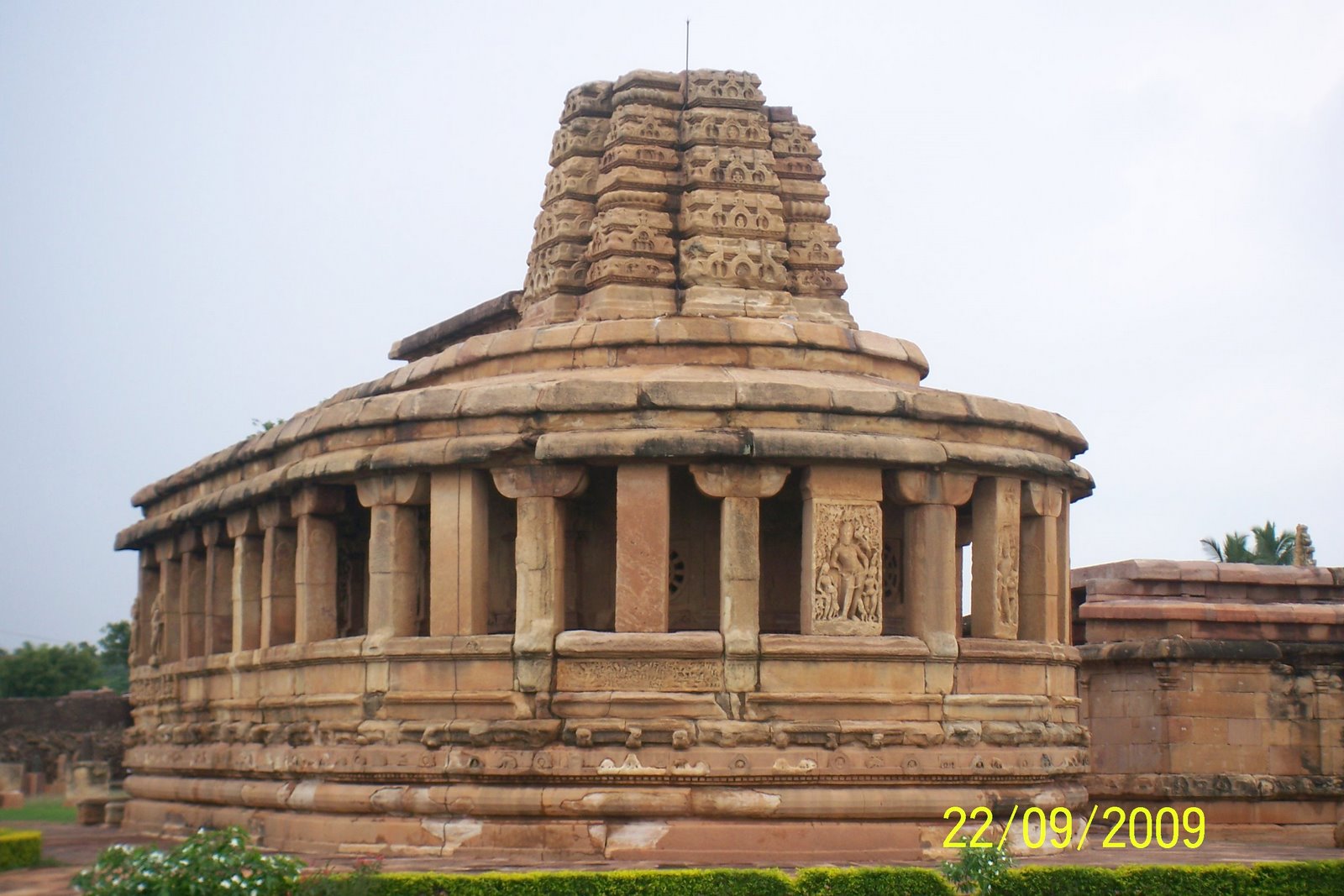
Locals say” Aihole was a primary school, Badami the high school and Pattadakallu was a college” when it came to temple architecture. The name Aihole has an interesting history and is associated with the fiery sage Parshuraman who having destroyed the entire Kshatriya race comes to the Malaprabha river which flows through Aihole and washes his bloodstained axe which sends the women screaming in fright “Ai hole” or ( O river). This was an earlier capital of the Chalukya kings and is situated 36 kilometers from Badami. About 125 temples can be found in Aihole most of them strewn around the neighboring villages with only a handful concentrated in some places. An entire day can be spent here and the temples here represent a vast canvas of temple structures that can be found across the country.


 The Parliament Building in New Delhi was a rejected temple model and its poor country cousin can be found here in the Durga complex. Taking a guide here and not relying on your local rickshaw wallah for explaining some of the temples is highly recommended. Most of the guides here, unlike in North India, are not pushy, quite well educated and trained by the ASI. For some sumptuous local fare, please visit Anand Bhuvan opposite the main temple complex rather than the joint recommended by your tourist bus guides.  


Pattadakalu is a World Heritage site and belong to the era of Vikramaditya who ruled in the 8th century is situated about 22 kilometres from Badami. This was the second capital of the Chalukya kings and the main coronation ceremonies were held here. Each of the temples here are beautifully built and even with the local population living inside the temple complex as recently as 50 years ago, the sculptures are breathtaking.


 Of particular note are the Virupaksha temple, which is a living temple and faced by a huge black Nandi and the Mallikarjuna temple which sports carvings narrating tales from the Ramayana, Mahabharata and the Panchatantra tales. Badami, Aihole and Pattadakalu can be easily covered over 2 days and apart from these places, there are a few temple tanks, some old temples around Badami of some interest. Alcohol is freely available with numerous wine shops dotting the main street though the food is largely vegetarian with few joints offering non-vegetarian fare.

Goa to Bangalore

21st September 2009

Day 3: On the road to Badami


From Om Beach to Badami is roughly 260 kilometres and passes through some very lush countryside with all kinds of vegetables and grains being cultivated on some very fertile land and animals looking very healthy. You can fix up a cab at any of the small lunch homes or cafes in Gokarn and the journey in an air-conditioned car should cost you 11 rupees.

 On the way: stop at Hotel Sapna (08388-231979) for some delicious Southern breakfast washed down by cups of steaming hot filter coffee. Badami town itself is a one-street town with its main bus station, all hotels, main shops and establishments lining the road. Of all the hotels featured in websites and guidebooks, we found Hotel New Satkar (08357-220417, 09901542194, 09448776317), the cleanest and among the most economical. (rooms available for 300 a night with basic amenities and can go up to a 1000 for AC and TV) Badami gets its name from the ancient name of Vatapi, an old legend and has some of the most beautiful rock carvings in the country. The highlight are the four caves, each of it dedicated to Shiva, two to Vishnu and one to Jainism, the carvings which date back to the 6th century and built by the Chalukya Kings and highlight the sheer talent of the sculptors in that period. 


 Of particular note are the 18 armed Nataraja, the beautiful carvings of the 5 incarnations of Vishnu dotting the caves, Harihara, Ardh Narishwar, elephants and bulls and the Maha Vishnu carvings in the 3rd cave. Take guides when visiting the caves (200 rupees) and the caves overlook the beautiful tank with the bhootnath temple on one side (made famous in Mani Ratnam’s Guru). On the opposite side of the caves complex is the remnants of Badami fort with a few watchtowers surviving to this day and a museum at the base of the fort. The entire complex can be covered within 4 hours and all the hotels are situated within 1.5 kilometres of the cave complex. 


Goa to Bangalore

20th September 2009

Day 2 - Om Beach


Om beach (in shape of the Hindu symbol) is situated 6 kilometers from Gokarna (literally: cow’s ears), a temple town, which in turn is 60 kilometers from Karwar in Northern Karnataka on NH- 17. The most  famous of the four beaches which straddles Gokarn and has some creative names such as Half Moon (because it is so shaped), Paradise and Kudle Beach and can be reached easily by trekking across some rocky hills. 


The length of the beach itself is not very big with about 1 – 1.2 kilometers end to end and sloping towards the sea. Most visitors here are locals from the state and on weekdays the largely empty beach reminds one of Goa in its more idyllic days. Foreigners too flock the beach in droves and their popularity can be gauged from the pastas, sizzlers dished up at the 10-15 odd cafes (in peak season) along the beach front. If you like your tipple though, please carry it from Gokarn which has a couple of bars or you will have to make do with some not so chilled beer the cafes or a auto ride (150 rupees one way, half hour) to the town before sundown. Namaste Café (Raju – 9880459559), by its dint of being featured in the Lonely Planet, is the most buzzing with activity and you literally fall into it as you step into the rocky beach.


 A bit too teeming with boisterous drunken parties to our taste, quieter ones can be found further down the beach. A better one which we liked was Ganesh café near the far end of the beach and astride Nirvana where visitors can get rooms for 400 rupees a night (ask for the ones with the porch and not with rooms as they are relatively spider free). William at the Ganesh café is extremely friendly and, the service a bit slow normally, is well worth the wait.  Carry a couple of torches, some old bedsheets and you have all the necessary ingredients for an awesome picnic on the beach in pitch darkness.